
 English
  Chinese
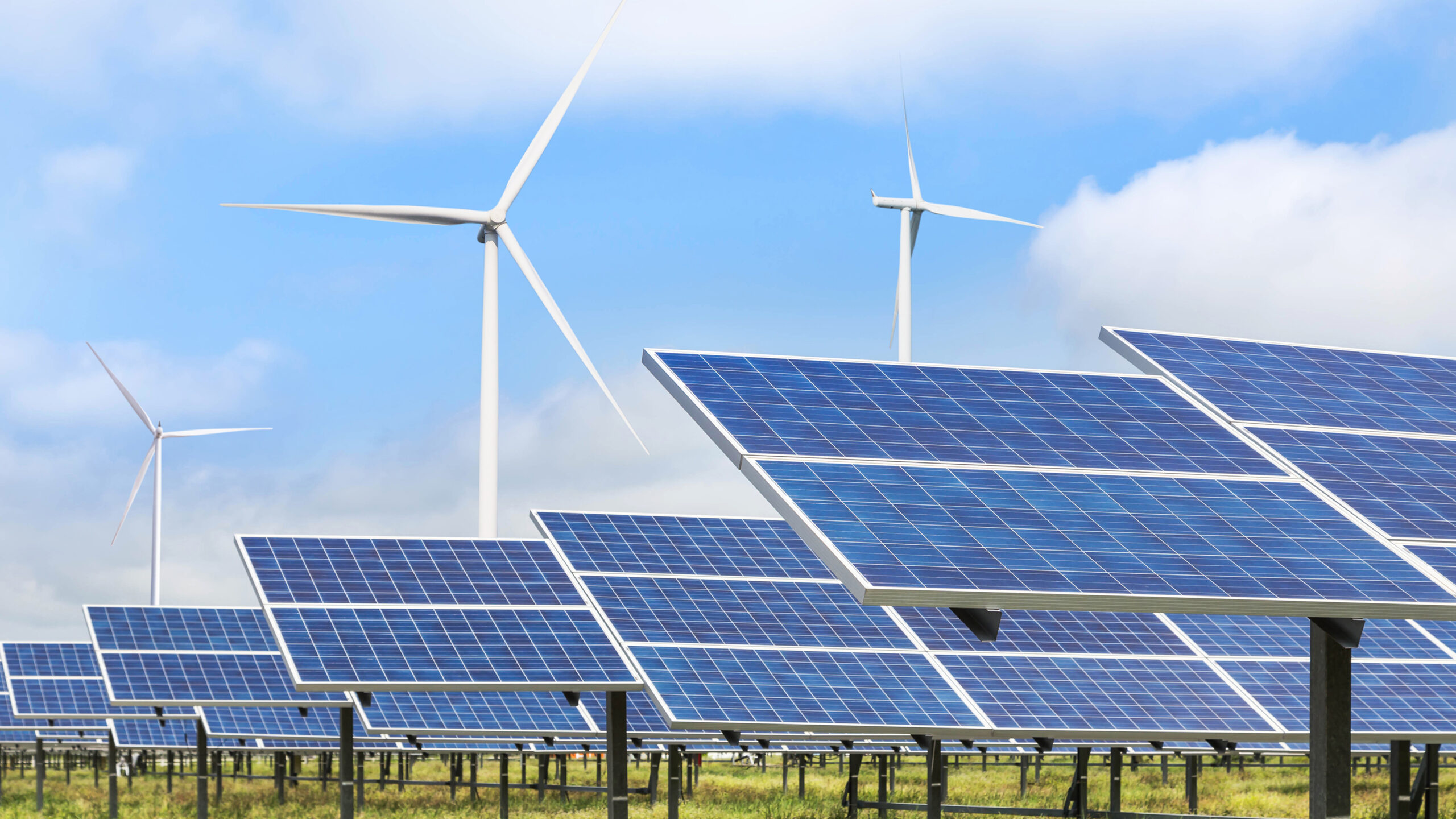
The International Energy Agency (IEA) recently released its annual flagship report, *Global Energy Review 2026*, which states that in 2025, against a complex economic and geopolitical backdrop, global energy demand growth slowed, but electricity consumption continued to grow strongly, Meanwhile, global energy demand growth is diversifying, with solar photovoltaics becoming the largest source of growth in global energy supply for the first time.
The report indicates that in 2025, global energy demand will reach 655 exajoules (equivalent to 1.56 billion tons of standard coal), representing a year-on-year increase of 1.3%. This growth rate marks a significant slowdown from the 2.0% recorded in 2024 and is slightly below the average of 1.4% observed between 2013 and 2023. The slowdown in growth is primarily attributed to a deceleration in global economic growth, a reduction in extreme heat events in certain regions, and the rapid adoption of energy-efficient technologies. Meanwhile, global electricity demand is projected to grow by approximately 3%, more than double the growth rate of overall energy demand. Although the growth rate of electricity demand is lower than in 2024, it remains above the average for the past decade. Globally, multiple sectors within the building and industrial sectors drove electricity demand growth, while the rapid growth in demand for electric vehicles and big data centers in several regions also contributed to this trend.
The report shows that solar photovoltaics will be the largest source of growth in global energy supply in 2025, accounting for more than 25% of the total increase. Natural gas will be the second-largest source of growth in global energy supply in 2025, accounting for 17% of the total increase, reflecting the important role natural gas plays in electricity generation in many countries. Overall, renewable energy and nuclear power met nearly 60% of the increase in energy demand, and their combined electricity generation exceeded the total increase in electricity demand.
As the continued growth of electric vehicles curbed demand for road transport fuels, global oil demand grew by only 0.7% in 2025. The International Energy Agency previously released a report forecasting that global EV sales would exceed 20 million units in 2025, accounting for about a quarter of global new vehicle sales. EV sales in the European Union grew by 30% in 2025, and when combined with countries such as the United Kingdom and Norway, Europe became the world’s fastest-growing EV market. In the United States, electric vehicle sales declined by 2% in 2025 due to the government’s September 2025 elimination of the $7,500 tax credit for electric vehicles. Electric vehicle sales in emerging markets and developing economies outside of China continued to grow significantly, with an increase of approximately 80% in 2025.
Fatih Birol, Executive Director of the International Energy Agency, stated that while global energy demand will continue to grow in 2025 against a complex economic and geopolitical backdrop, a clear trend is emerging: the increasing electrification of major economies is driving electricity consumption to grow much faster than overall energy demand. In today’s rapidly evolving energy landscape, countries that prioritize energy resilience and diversification are best positioned to weather volatility and provide secure, affordable energy in the coming years.
Performance varies significantly across major economies. Data shows that, driven by strong electricity demand from data centers, robust industrial activity, and cold winter temperatures, U.S. energy demand is projected to grow by more than 2% in 2025. Meanwhile, although China will account for the largest share of the global increase in energy demand in 2025, its growth rate will slow to 1.7 percent, as the rapid expansion of renewable energy in China’s power sector has reduced coal consumption and led to a chain reaction of improved primary energy intensity. India’s energy demand growth slowed to about 1%, reaching its lowest level in recent years. In regions outside of Africa and the Middle East, energy demand growth in 2025 was generally lower than in 2024.
In 2025, the growth rate of global energy-related carbon dioxide emissions slowed to approximately 0.4%. The report indicates that China’s carbon dioxide emissions declined in 2025, driven by significant growth in renewable energy and other low-emission technologies. India’s energy-related carbon dioxide emissions leveled off for the first time since the 1970s. In contrast, an unusually cold winter drove up fossil fuel use and emissions in the developed economies of the Western United States; emissions growth in developed economies reached 0.5%, surpassing that of developing economies for the first time since the 1990s.
The report notes that the trend toward diversification of energy supply in the power sector is becoming increasingly evident. In 2025, global solar photovoltaic generation increased by 600 terawatt-hours, driving a decline in global coal-fired power generation. Battery storage was the fastest-growing technology in the power sector in 2025, with approximately 110 gigawatts of new battery storage capacity added—exceeding the largest annual installation volume on record. Meanwhile, as nuclear energy projects regained momentum in multiple regions, construction began on more than 12 gigawatts of nuclear reactors worldwide in 2025.
With the global expansion of clean energy technologies in recent years, global demand for fossil fuels in 2025 is projected to decline by more than 35 exajoules, equivalent to approximately 7% of annual global fossil fuel consumption. The deployment of solar photovoltaics, wind power, nuclear energy, electric vehicles, and heat pumps during the same period reduced annual carbon dioxide emissions by approximately 3 billion metric tons, accounting for about 8% of global annual emissions. During the same period, coal demand decreased by approximately 800 million metric tons of coal equivalent, exceeding India’s total coal consumption for the entire year of 2025. Natural gas demand fell by more than 260 billion cubic meters, equivalent to nearly half the size of the global liquefied natural gas market. (By Wang Baokun)